Alabama Board of Pharmacy urges caution as kratom crackdown continues
Alabama pharmacy officials warned about kratom risks as state authorities seized thousands of doses during a statewide enforcement effort earlier this week.
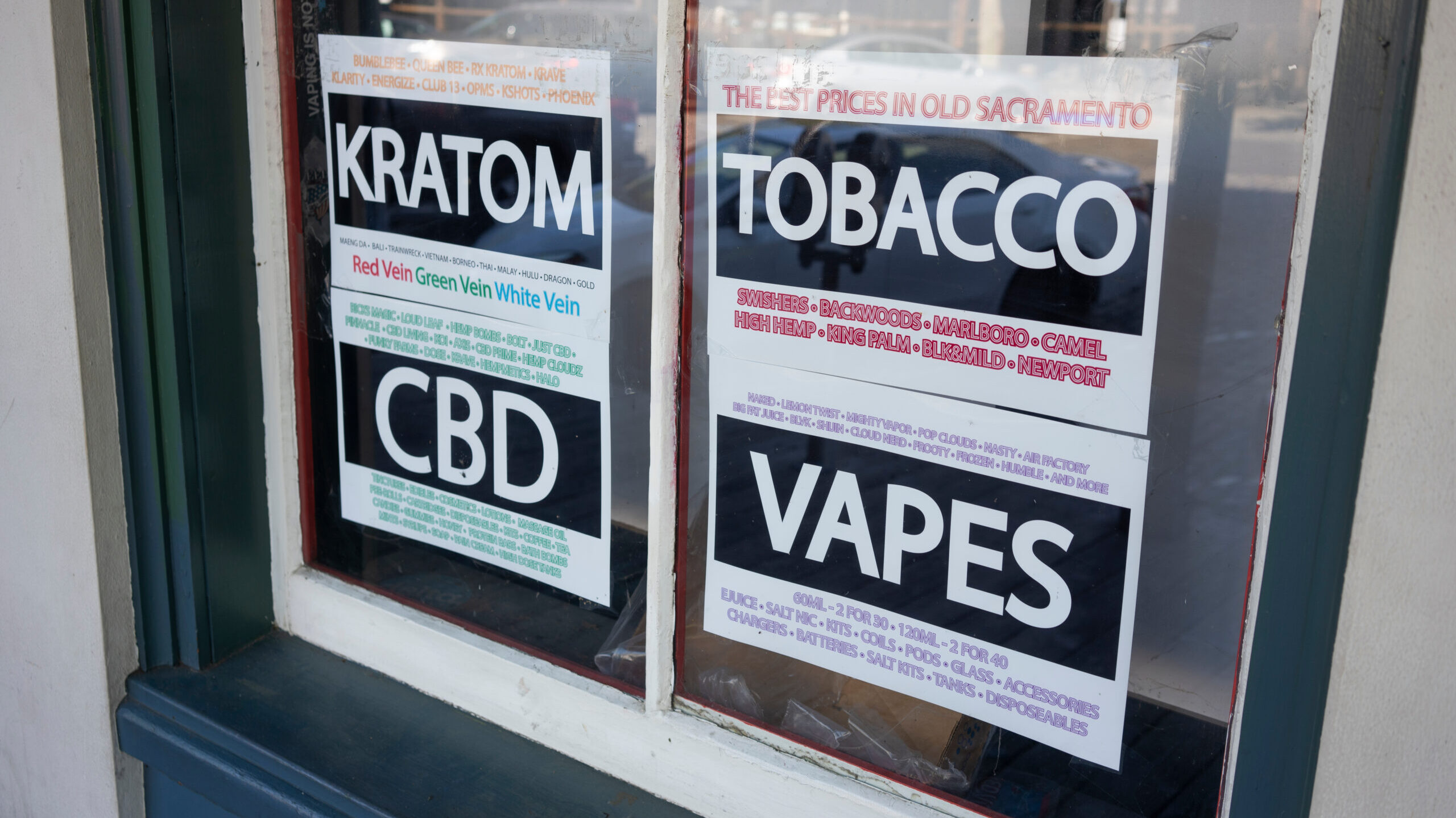
Members of the Alabama Board of Pharmacy said Wednesday that kratom remains a substance of concern as state officials continue efforts to remove products containing the drug from store shelves across Alabama.
Jon Linna, executive secretary of the Alabama Board of Pharmacy, briefed board members on the substance and its potential effects when used alone or in combination with other drugs.
“In addition to a high potential for dependence and abuse, these products can potentially cause fatal respiratory depression and seizure alone, or, in combination with alcohol, benzodiazepines, or other opioid agonists,” Linna said.
The discussion came days after the Attorney General’s Office and the Alabama Law Enforcement Agency announced the results of Operation Southern Shield, a statewide enforcement effort targeting the sale of products containing kratom. Authorities said the operation resulted in 83 search warrants and the seizure of nearly 123,000 doses of kratom products. Under Alabama law, mitragynine, commonly known as kratom, is classified as a Schedule I controlled substance.
Linna said the board has previously encountered cases involving pharmacy students and technicians who tested positive for mitragynine and urged schools of pharmacy to continue educating students about the drug.
“As the board members will recall, we have seen cases with pharmacy students and technicians that test positive for mitragynine, so we encourage the schools of pharmacy in particular to continue to raise awareness, as they already do,” Linna said.
According to the Attorney General’s Office, complaints about products sold at gas stations began surfacing in 2025, with consumers reporting addictive effects. Laboratory testing conducted by the Alabama Department of Forensic Sciences later confirmed the presence of kratom, prompting several district attorneys’ offices to issue cease-and-desist letters to businesses selling the products.
“Just because it’s available in a gas station doesn’t mean it’s legal or safe,” Linna said.
State officials said a new wave of kratom products appeared earlier this year, prompting additional testing and another round of cease-and-desist letters to businesses holding Alabama Beverage Control Board licenses. After investigators identified retailers that continued selling the products, ALEA launched Operation Southern Shield in May.
Authorities said the investigation expanded beyond retail locations to wholesale distribution sites in Montgomery and identified several out-of-state suppliers shipping products into Alabama. Investigators seized 63,995 bottles containing kratom and about 59,000 additional doses from two warehouse locations.
Attorney General Steve Marshall said retailers who ignored repeated warnings would face enforcement action.
“Alabama will not be a marketplace for dangerous, illegal substances,” Marshall said. “We gave retailers every opportunity to comply, and those who chose to ignore the law are now facing the consequences.”