The Shoulder launches Operation VETS to aid Alabama veterans struggling with substance abuse
The Gulf Coast treatment center utilized new grant funding to expand specialized counseling and peer support programs for former military personnel.
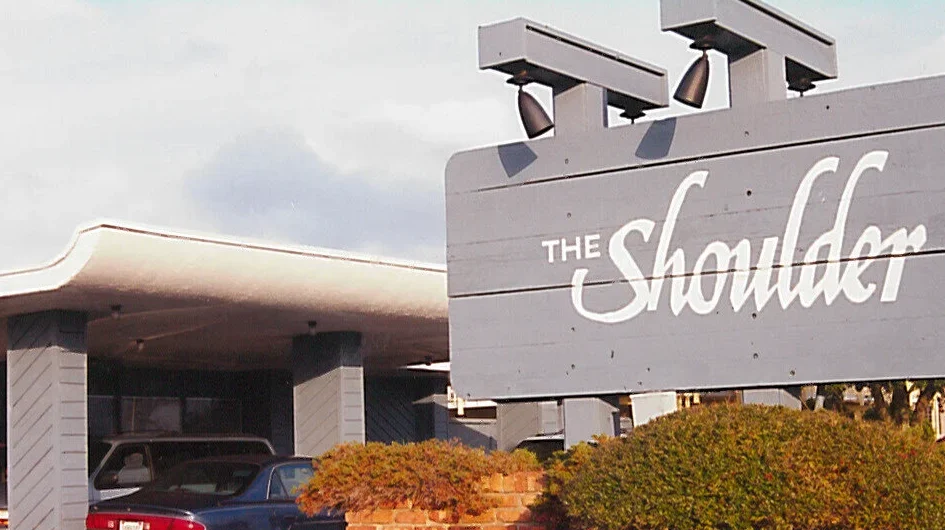
Founded in 1985, The Shoulder provides drug and alcohol treatment services to Gulf Coast communities through two facilities in Mobile and Spanish Fort. Now, the organization is expanding its services through Operation VETS (Veterans Engaged in Treatment Services)—a program that aims to address substance abuse within Alabama’s veteran community.
“So Operation Vets is a program that The Shoulder started back in October in partnership with the Alabama Department of Mental Health,” said Stephen Carr, executive director of The Shoulder, during a recent phone interview with APR. “This was a grant that the Shoulder applied for through the Alabama Department of Mental Health, and we received a contract to provide services to veterans in the state of Alabama who were in need of substance abuse treatment services.”
“The Shoulder has served veterans throughout its 41 year history, and this program allows us to expand those services and also refine those services to provide specific curriculum and specific staff members that are dedicated to taking care of veterans that need help,” Carr added.
Carr explained that veterans can often benefit from services that are specifically tailored to their unique needs, including The Shoulder’s employment of veterans in their own staff.
“Veterans come to us with a unique set of issues,” Carr said. “A lot of times the issues that are identified, that go along with substance abuse, include things like anxiety disorders or post-traumatic stress symptoms, things that are unique to veterans just based on their life.”
“We have three veterans that are on our staff that provide counseling specifically for those individuals,” he continued. “And veterans talk to veterans. Veterans will connect with other veterans in a way that is unique to that population. And so while clients are here in treatment for substance abuse as a primary diagnosis, we also provide additional services which include case management services to help them with any sort of exploration of benefits that they might need through things like the VA or connection with other veteran services organizations.”
Carr added that The Shoulder also provides veterans with access to several peer support groups and that the organization is currently working on creating groups that veterans in treatment can lead themselves. The Shoulder also provides outpatient services through Operation VETS that allows veterans who don’t need residential care to attend weekly sessions—whether with an individual counselor or in a group setting.
Carr went on to speak to the greater need for expanded mental health services for veterans in the state, drawing on his own experience as a disabled veteran.
“I’m A disabled veteran myself,” Carr told APR. “I’ve been out of the Army for over 20 years now. And as someone who has been a part of the VA system, I’ve known for a long time that there were veterans who were served by the VA and many more who were not served in the Veterans Administration system or did not have connection at all for other types of health care.”
“So I’ve seen firsthand that there is a need for veterans to be able to connect with organizations like ours and others…where a veteran can be seen [even] if they don’t have insurance benefits or if they don’t have VA benefits,” he continued. “[A veteran] that might have otherwise fallen through the cracks, so to speak, or that may not have come forward. The need has always been there.”
Carr said that a significant part of The Shoulder’s work through Operation VETS focuses on conducting outreach across the state and the Gulf Coast in an effort to increase awareness among veterans that there are other services available to them.
“For the most part, once we have identified a veteran and once they come forward and start speaking with us and establish trust, word spreads pretty quickly and veterans will come forward more through word of mouth than they do through formal program identification,” Carr explained. “So that seems to be one of those things that veterans understand and certainly our staff understands and that’s why we’re so passionate about this program. Like I said, veterans speak to veterans. So those of us that are in the veteran community feel like that’s our best shot at connecting with people, those personal relationships.”
APR asked Carr what he might say to a veteran who is struggling with substance abuse but may be hesitant to participate in a program like Operation VETS.
“That it is one of the best things that they can do for themselves, for their families,” Carr said. “That seeking help is something that is healthy. A lot of people in general think that seeking help is some sort of sign of weakness, that it is an admission of vulnerability. When in truth, when you recognize that there’s an issue and you recognize that there’s a problem, seeking help is a very healthy and very brave and honorable thing to do. Whereas ignoring the issue or ignoring the problem or trying to handle it yourself, is sort of dangerous.”
“If you’re a veteran, you know that relying on your brothers and your sisters is something that you would do in any other type of situation,” he added. “And that if you’re in a situation where you need help, come forth, seek help of people that are genuinely interested in caring for you, because that is the healthy thing to do and there are people there that will help you.”
Veterans interested in learning more about Operation VETS can do so by contacting The Shoulder’s direct info line at (251)-636-2199 or going to The Shoulder’s official website.
“The Shoulder has been here to help people for a long time,” said Carr. “We continue to have a passion to help people, and veterans is a personal passion of mine as the executive director. It is something that we are culturally competent and sensitive about, and we want to be a good partner and make positive change in the community.”