Tuberville plaintiffs ask to expedite appeal
The plaintiffs in the Tuberville residency challenge would like the Alabama Supreme Court to hurry.
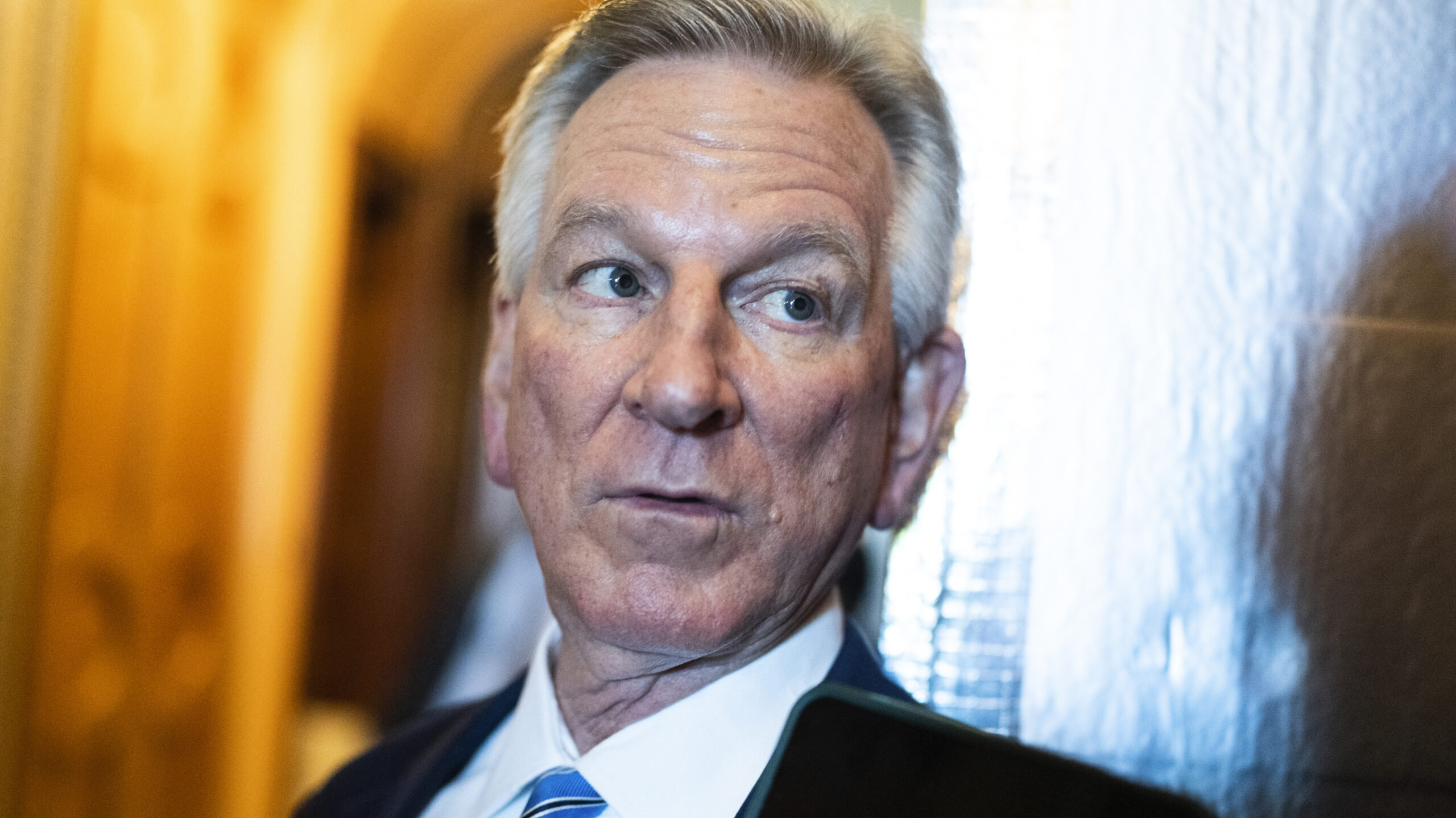
The plaintiffs in the challenge to Tommy Tuberville’s eligibility to run for governor would like the Alabama Supreme Court to speed things along.
Attorneys for Brook Lynn Dorgan and Justin Jude LeBlanc, a pair of military veterans who have filed the quo warranto challenge to Tuberville’s nomination, filed with the court on Thursday a motion to expedite their appeal of a lower court’s decision to dismiss the case for a lack of jurisdiction.
“The present case raises an important question regarding Tuberville’s eligibility to be the certified Republican nominee and to serve as Governor of Alabama,” the six-page filing reads. “This question needs to be resolved promptly and without delay.”
Last week, Montgomery County Circuit Court Judge Brooke Reid ruled that while she believed some court likely had standing to hear a constitutional challenge to Tuberville’s eligibility, she couldn’t say that her court did. She dismissed the challenge and appeared to encourage an appeal to the Alabama Supreme Court. The plaintiffs filed that appeal earlier this week.
The appeal itself asks the high court only to allow the case to move forward and does not broach the merits of the case.
That case is a challenge to Tuberville’s eligibility to serve as governor based on the residency requirements spelled out in the Alabama Constitution – specifically, that a candidate for governor reside in the state for the seven years prior to the general election. Questions about his residency have dogged Tuberville even before he announced his run for governor and he has faced down two challenges.
Those challenges, however, were filed by his Republican primary opponent and handled by the Alabama Republican Party. Both challenges resulted in questions about the manner in which party officials handled the processes.
In the first challenge, Ken McFeeters, who filed the challenge, said party officials were never allowed to review the evidence against Tuberville, but were instead simply told that the challenge was facially deficient. In the second, a post-primary challenge, party officials failed to uphold rules requiring Tuberville to sit for a two-hour deposition and turn over documents subpoenaed by McFeeters. Instead, the hearing was reduced to a 40-minute questioning of Tuberville, after which party officials voted unanimously to dismiss the challenge.
Tuberville and his attorneys, led by Montgomery attorney Joe Espy, have argued the law spells out that courts have no place in determining election outcomes and ballot issues. Instead, those are left up to challenges decided by the political parties and a post-election challenge that would be heard by a joint session of the Alabama Legislature.
The plaintiffs and their attorneys argue that a court must have a role in determining matters of constitutional law, and that a challenge at this point—after a nominee is certified by the party—is proper because a nominee is a “quasi-state official” now bound to the constitutional requirements of the office they seek.
Who’s right is a rare legal question that lacks state precedent. Reid said she could find no good case law to support or deny either side. That leaves the matter—and future precedent—up to the state’s highest court.