ALGOP committee to hear challenge to Tuberville nomination behind closed doors
The party’s contest rules give ALGOP broad control over the hearing, but APR found no express rule barring release of evidence.
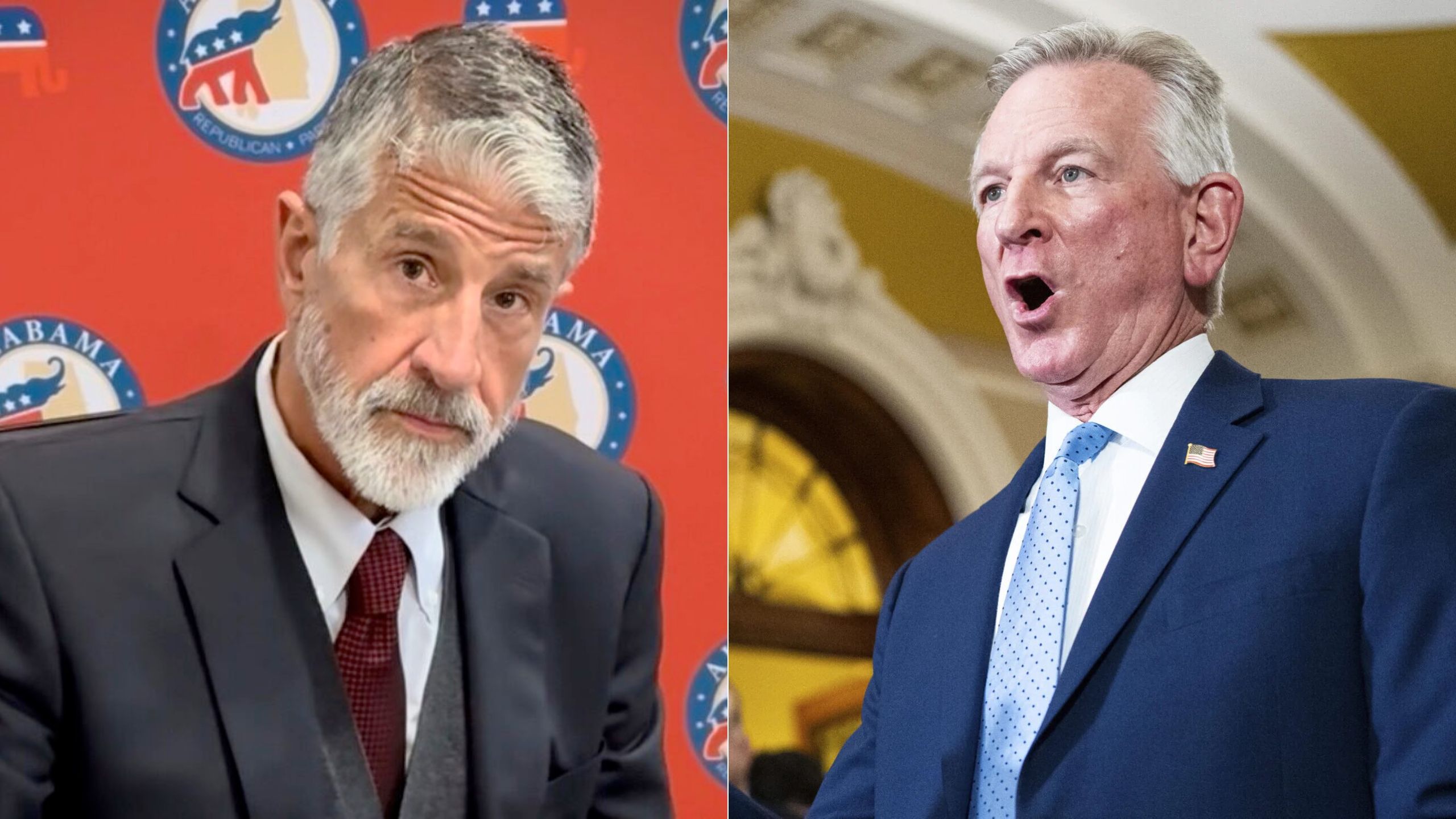
The Alabama Republican Party’s Candidate Committee will meet behind closed doors Sunday, June 14, for a formal hearing on Ken McFeeters’ challenge to Tommy Tuberville’s Republican primary victory, despite the party’s earlier determination that Tuberville was qualified to seek the office.
The hearing will be closed to the media. The committee has also barred the release of documents or evidence from the proceeding, according to individuals familiar with the matter.
McFeeters’ challenge centers on Tuberville’s eligibility to seek the governor’s office under Alabama’s constitutional residency requirement. Alabama law expressly allows a primary nomination to be contested on the grounds that the declared nominee “was not eligible to the office sought at the time of the declaration of nomination.”
Alabama Code Title 17, Chapter 13, Article 3 governs primary election contests. For offices other than county offices, the law provides that contests are heard by the state party committee or by a subcommittee appointed to hear and determine the matter.
The law also gives the committee authority to summon witnesses and compel the production of documents it considers necessary to resolve the contest.
The Alabama Republican Party has adopted separate rules governing contests of primary elections. Those rules, revised June 25, 2022, state that contest proceedings are governed by the party’s contest rules, ALGOP bylaws, the party’s primary resolution, Alabama trial rules and Robert’s Rules of Order. If those sources conflict, Alabama statutes control.
Under the party’s rules, the committee first determines whether a contest is facially valid and whether it could alter the outcome of the primary election. If the committee finds the contest invalid, or finds that it could not change the result, it may issue a final decision without moving to a full evidentiary hearing.
The party previously considered McFeeters’ challenge and found that Tuberville was qualified. The committee later decided to hold a formal hearing, giving McFeeters an opportunity to present evidence and legal arguments under the party’s contest rules.
The rules allow each party to be represented by legal counsel. They also restrict communications with the committee or its members once hearing officers are appointed, except during the hearing or as otherwise permitted.
The party rules provide for limited discovery. Each party may issue up to five subpoenas for testimony and up to five subpoenas for documents, unless additional subpoenas are allowed. Parties may also submit interrogatories, document requests and requests for admission, subject to limits in the rules.
Before the hearing, each party may file an evidentiary submission, a proposed witness list and a written opening statement or brief of no more than five pages. Objections to evidence or testimony must be filed at least two calendar days before the hearing.
The hearing itself is tightly controlled. The rules do not allow oral opening statements or oral arguments. Each party is allotted 45 minutes to present its case and answer questions from the hearing officer or committee. The contestant presents first and may reserve up to 15 minutes for rebuttal.
After evidence is presented, each party receives up to 15 minutes for a closing statement.
The rules generally do not allow additional evidence or briefing after the hearing unless requested by the hearing officer or committee. A final decision must be issued within two calendar days after the close of the hearing or after receipt of any final post-hearing submission, whichever occurs later.
The party rules give ALGOP broad authority to manage the contest process, limit presentations, control the order of proof and regulate communications with committee members.
However, APR’s review of the party’s contest rules found no express provision imposing a blanket prohibition on the release of documents or evidence outside the hearing.
ALGOP has previously conducted election contest hearings behind closed doors. In 2022, the party announced that its Candidate Committee would hold closed hearings on three Republican primary contests. At the time, ALGOP said final decisions would be released to the media after the parties were notified.
Sunday’s formal hearing could determine whether McFeeters’ challenge succeeds, whether Tuberville remains the party’s nominee or whether the committee takes additional action before issuing its decision. Under the party’s rules, a final decision must be issued within two calendar days after the close of the hearing or after receipt of any final post-hearing submission, whichever occurs later.