Sen. Britt touts increased funding for Mobile Bay dredging projects
The boost for Mobile Bay dredging also raised hopes for cleaner sediment disposal, balancing port growth with pressure to protect the ecosystem.
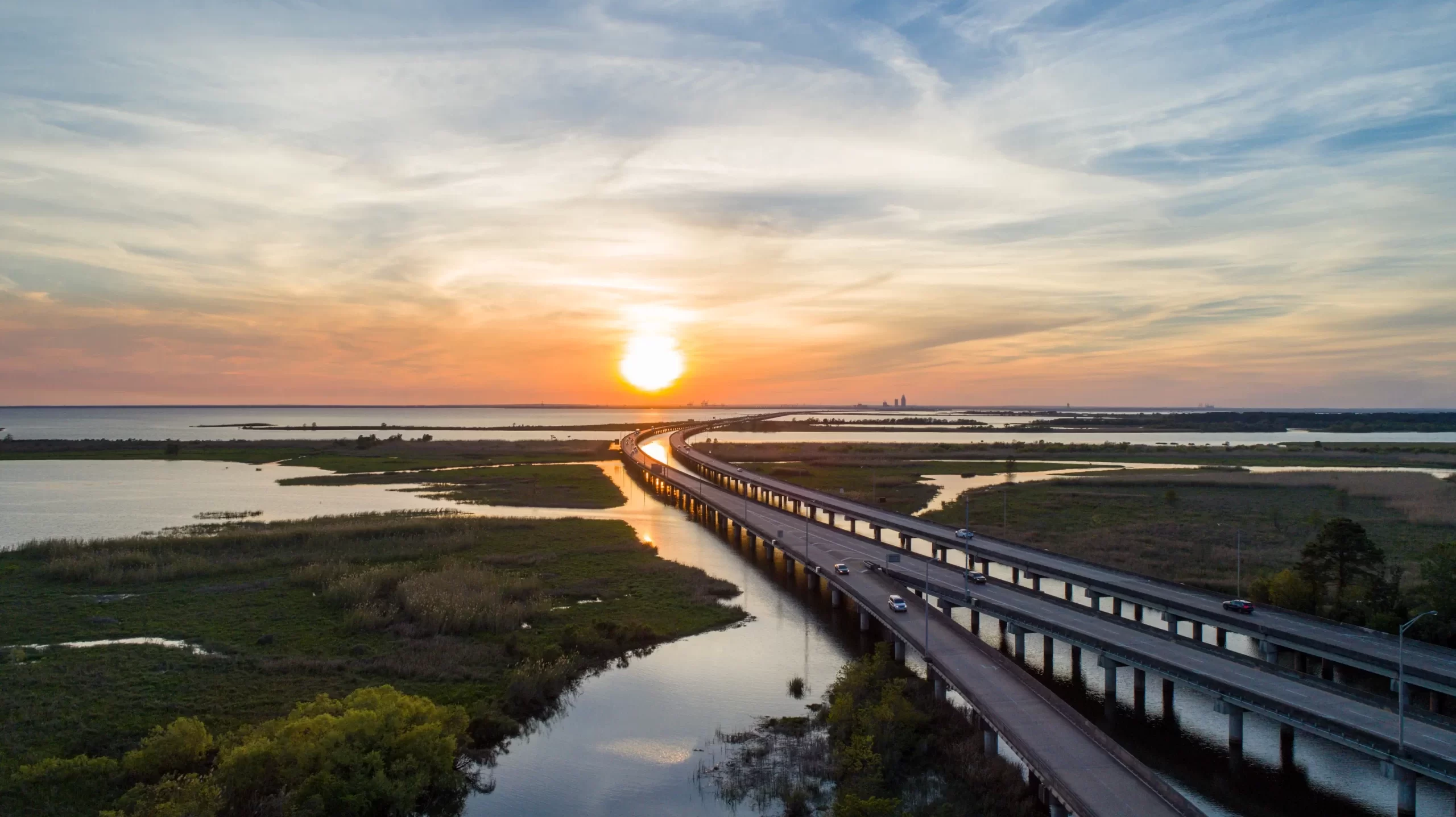
U.S. Senator Katie Britt, R-Ala., recently announced a $34 million increase in the U.S. Army Corps of Engineers’ Fiscal Year 2026 Work Plan for projects in the Mobile Bay. According to the Corps, the additional funds will be used to continue dredging efforts in the Bay to give large cargo ships access to the Mobile Ship Channel.
Britt celebrated the new funding—a 60 percent increase from the Corps’ 2025 budget—in a recent statement.
“It’s Alabama the Beautiful for a reason,” Britt said. “Mobile Bay is the gateway to our state and a hub for global commerce. I’m encouraged to see the U.S. Army Corps’ work plan recognize the need for increased funding.”
“This investment will ensure the Port of Mobile continues to grow as the premier deepwater port in the Gulf of America while preserving the Bay’s natural resources,” Britt continued. “Thank you to Assistant Secretary Adam Telle for his continued leadership in protecting our nation’s waterways.”
While local environmental groups have often warned against the negative impacts that dredging can have on the Bay’s ecosystem, the new funding could lead to better practices that will put dredged sediment to “beneficial use” instead of being dumped into open waters.
“We’re very happy to see increased funding to Mobile Bay ship channel maintenance,” Caine O’Rear, a representative for Mobile Baykeeper, recently told AL.com. “Mud dumping has been favored by the Corps of Engineers in large part due to its cheapness, and the additional funding will help ease concerns about costs of maintenance.”
Britt herself has been an advocate for better managing dredged sediment in the Bay, demanding in a 2025 hearing that the Corps use such material “for habitat restoration, for beach nourishment, [and] for wetland creation.”
Earlier this year, Britt secured around $13.5 million for Mobile Harbor dredging projects as a member of the Senate Appropriations Energy and Water Development Subcommittee, including around $3.3 million to create a beneficial use site and $5 million for the restoration of Dauphin Island’s West End beach.
In 2024, Britt also passed a provision requiring the Corps to put at least 70 percent of “suitable” dredged material to beneficial use. That provision is expected to work in tandem with a law passed during this year’s legislative session which prohibits dumping sediment in the Bay’s open waters from being considered a beneficial use, thereby limiting the impact of dredging on the local ecosystem.