Stop treating those dogs like we treat humans!
Imagine if we even dared talk about dogs the way some of our politicians talk about other humans.
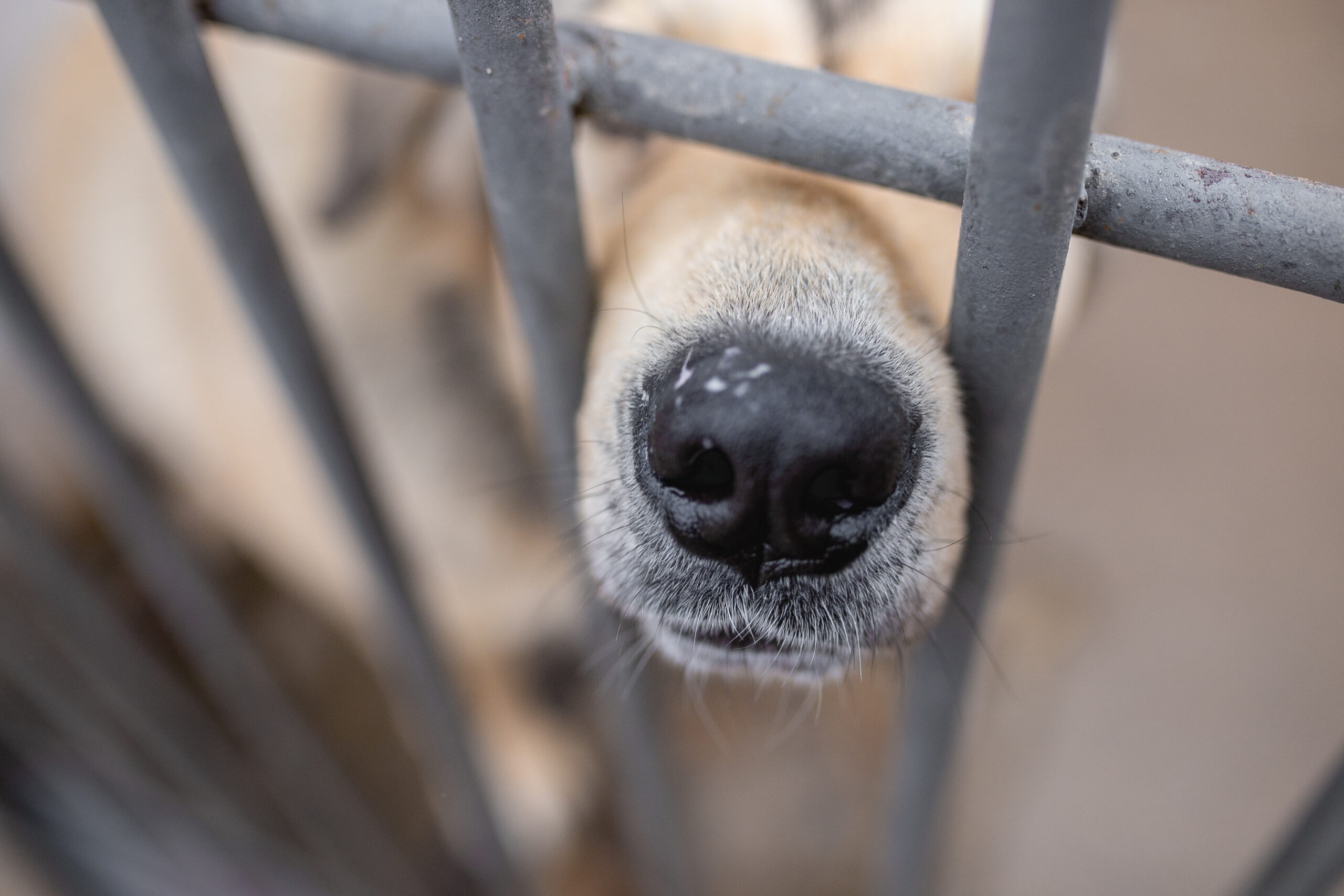
As state Representative Patrick Sellers sat in his seat in the House chambers last week, listening to the raging, hours-long debate over a bill to protect chained dogs, he found himself a bit dumbfounded.
The debate followed a couple of weeks of intense lobbying by thousands of Alabamians of all different political stripes. They were mostly dog lovers and their passion for the cause was obvious.
They emailed. They called. They texted. They showed up in droves to get their point across.
They wanted the dogs to be treated humanely.
“Imagine if that many people showed the same passion for other people and more important causes,” Sellers thought.
Oh, it’s not that he thinks the dog issue—which passed, by the way—is unimportant (he voted in favor of it); it’s just that on the grand scale of things, there seems to be a loss of perspective.
“You would just be amazed at the number of emails that I received from people related to the legislation dealing with dogs,” Sellers told us on the Alabama Politics This Week podcast. “Imagine if dogs were being treated the way we treat people in prisons.”
Indeed.
Imagine if we even dared talk about dogs the way some of our politicians talk about other humans. My God, think of the outrage if a politician somewhere dared suggest that we shouldn’t feed hungry puppies because that should be the mother’s responsibility.
We’ve lost the thread to decency in this supposedly God-fearing, life-loving state. And nowhere is that more evident than in the comparison that Sellers brought up: the difference between the way we treat dogs and the way we treat incarcerated humans.
If I wrote a story today that dozens of dogs have died at a state-run animal shelter due to lack of proper staffing, malnutrition and fights, by noon today the public scrutiny and outrage would be so overwhelming that state officials would launch an investigation. By the following legislative session, there would be a dozen pieces of legislation pre-filed to address this outrage and ensure that such a travesty never occurred again.
But it’s just a—yawn—everyday story in Alabama’s prisons. Where actual humans are dying by the bus load from the exact causes I mentioned above – malnutrition, fights and drug overdoses. It’s actually even worse, because I didn’t even get to the rapes, extortions, beatings, kidnappings, trafficking, forced drug usage or threats to loved ones.
We have failed on every single level to operate these prisons. We’ve failed everyone. The prisoners. The guards. The families of both. The administrators. And the general public.
There is absolutely no reason that we can’t do better. Other states do it. They pay no more than we do for far better corrections systems and achieve far superior results in both recidivism rates and rehabilitation of those convicted of crimes.
But making such improvements isn’t just about hiring a bunch more staff (although that certainly wouldn’t hurt in the short term); it’s about a justice-system-wide transformation. It’s about moving away from the antiquated, draconian sentencing laws that place more value on harsh punishment than on rehabilitation. Because that’s a stupid man’s game – this thirst for retribution from even low-level, simple criminals who are most often drug addicts trying to feed a habit.
Other states have taken the approach that it’s much better to find alternatives for those types of criminals than a costly jail cell, where they suck up taxpayer dollars to live at our expense while often being slowly transformed into hardened men who are emotionally (if not physically) scarred for life. They incarcerate a much, much lower percentage of people convicted of crimes and have achieved much higher success rates at keeping many of them out of the system from that point forward.
For those who do wind up in prison in places like Massachusetts, Maine, Utah and New Hampshire, they encounter prison systems that place a high value on safety and decency. The prisons are properly staffed. The guards are properly trained and properly compensated. The rehab programs and education programs are properly funded with trained staff and proper materials. There is adequate health care and a concerted effort to ensure prisoners with mental health issues are properly treated.
In other words, they treat the prisoners as if they’re human beings who have worth and potential, but who just need the proper environment, treatment and opportunities to live better lives.
You know, the way we treat dogs here.