Alabama Senate sends bill to limit data center tax breaks to governor
The measure aims to trim generous incentives, while including new language to allow longer abatements for community infrastructure investments.
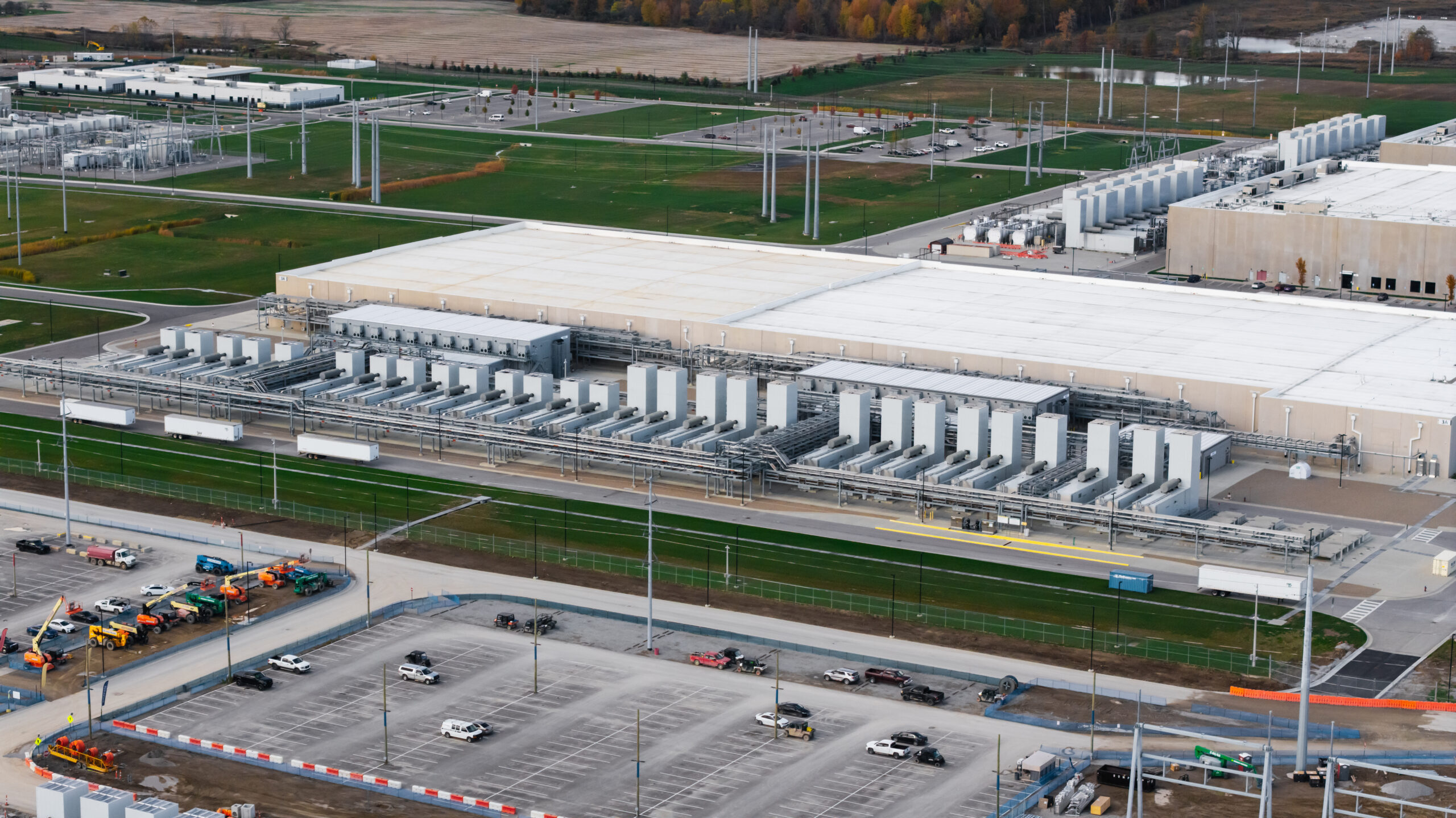
The Alabama Senate unanimously passed legislation on Thursday to rein in tax incentives available for Alabama data center facilities.
House Bill 399, sponsored by Representative Leigh Hulsey, R-Helena, would limit the maximum period for tax abatements available to data processing centers to 20 years, unless they meet certain community investment thresholds, beginning January 1, 2027.
Under current Alabama law, the largest data centers are eligible for abatements for up to 30 years.
The current abatements available for the facilities are set to expire in 2028. SB265 would extend the sunset date for tax incentives until 2032.
The bill mandates that large-scale data centers that use 100 megawatts or more of electricity start paying state sales and use taxes on their purchases, with the revenue going to the state’s general fund. SB265 would also allow the governor to waive tax requirements for data centers in economically struggling counties.
Current state law allows projects that invest at least $400 million and create 20 jobs paying at least $40,000 annually to qualify for sales tax incentives alongside property tax abatements—a combination of incentives that only five states offer. Alabama does not publicly disclose how much income the state forgoes annually due to data center tax incentives, or which companies benefit from incentives and by how much.
In the House, Hulsey moved to carry over the discussion of SB265, her bill’s Senate counterpart, sponsored by Senator Andrew Jones, R-Centre. The House later concurred with the Senate-passed version of Hulsey’s bill.
“We want to make sure that any data centers that come into Alabama—we’re not giving them a sweetheart deal,” Jones told the Senate. “We want to make sure that we’re comparable with surrounding states.”
Alabama is currently home to more than 20 data center facilities operating or in development.
The emergence of new data centers across the state in recent years, driven by tech companies’ expansion of artificial intelligence technology, has sparked anxieties among local communities regarding the facilities’ energy use and their environmental impacts.
The final version of HB399 mirrors a version of the bill advanced by the House Economic Development and Tourism Committee, which allows data center operators to qualify for an additional ten years to their abatement period, for a total of 30 years, if they meet certain qualifications.
To receive the extra ten years of abatements, operators must enter a binding agreement with the Alabama Department of Revenue and the Department of Commerce, agreeing to provide certain local benefits or investments for the community in which the data center is to be located.
Qualified local investments may take the form of infrastructure improvements, including roads, bridges or broadband, as well as water or wastewater system upgrades or local education support, including capital investments, equipment or programmatic support.
While the final version of HB399 similarly adopts language allowing extensions of abatements, it clarifies that broadband projects allowing eligibility must be in “an unserved area” as defined by existing Alabama law.
“This is the same exact thing that passed committee with one exception,” Jones said of the amendment. “That basically means they can’t use taxpayer money for incentives to build, overbuild in an area that’s already been built.”
“Right now, we are too sweet. Our incentives are too good. We want to make sure that we don’t lower them, where we’re actually not competitive,” he added, describing the purpose of the amendment. “So, we’re trying to find that sweet spot. Ultimately, it’s about affordability.”
“Oh, you used that word? As high as the gas prices are, you using the word affordability. My god, y’all have the audacity to use that word,” responded Senate Minority Leader Bobby Singleton, D-Greensboro. “That’s laughable these days, okay. But I hear what you’re saying.”
SB265 has received support from Governor Kay Ivey, who described the bill as legislation aiming to protect citizens from rising utility costs while retaining the state’s competitiveness in attracting development.
“For Alabama to remain the best state to live, work and raise a family, we have to grow the state, while keeping our cost of living low,” Ivey said in a statement to WBRC News. “That certainly includes our utilities, and we are seeing discussions in states around the country about best ways to lower those bills for families. Through a package of bills, we are taking steps to protect energy costs for Alabamians, while keeping our state competitive for further economic development.”
Meanwhile, the bill has received opposition from the Data Center Coalition, which argued that reductions in incentives will hinder the state’s ability to attract new investments.
HB399 will now advance to Ivey’s desk for consideration.